


Corseteria de luxo
No mercado desde 2004, MadameSher é a primeira grife especializada em corsets do Brasil. Confeccionados sob medida, nossos corsets são sinônimo de qualidade.
Redução de cintura
A estrutura firme do corset melhora a postura, modela o corpo e reduz efetivamente medidas, afinando até 10cm a cintura e reduzindo o acúmulo de gordura no abdomem.
-

Corset Medalhão Overbust
-

Canoa Pontudo em Jacquard
-

Corset Meia Taça: Floral Preto e Branco
-

Corset Vestido de Noiva Barroco Rococó
-

Corset Dress Noiva com Renda
-
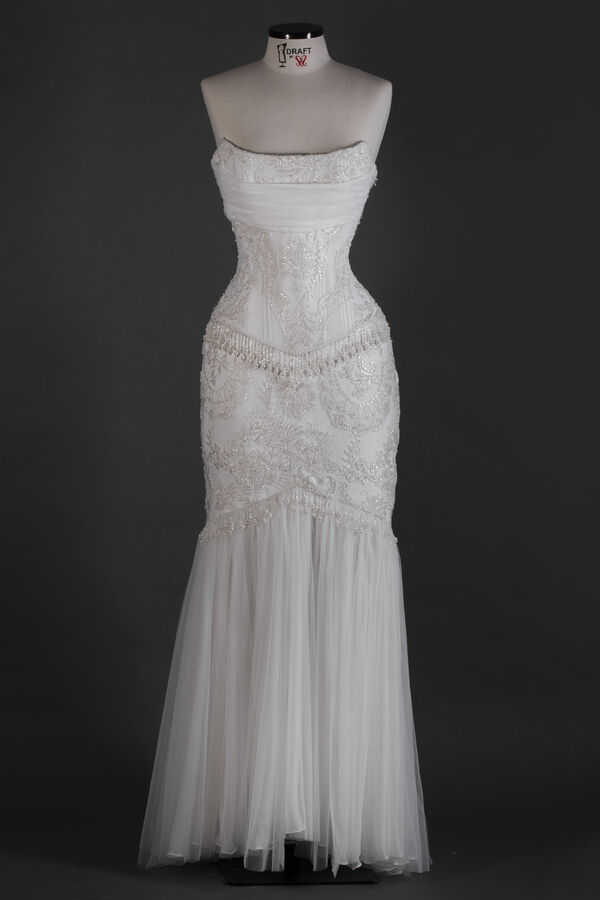
Vestido de Noiva Bordado Decote Canoa e Saia Sereia
-
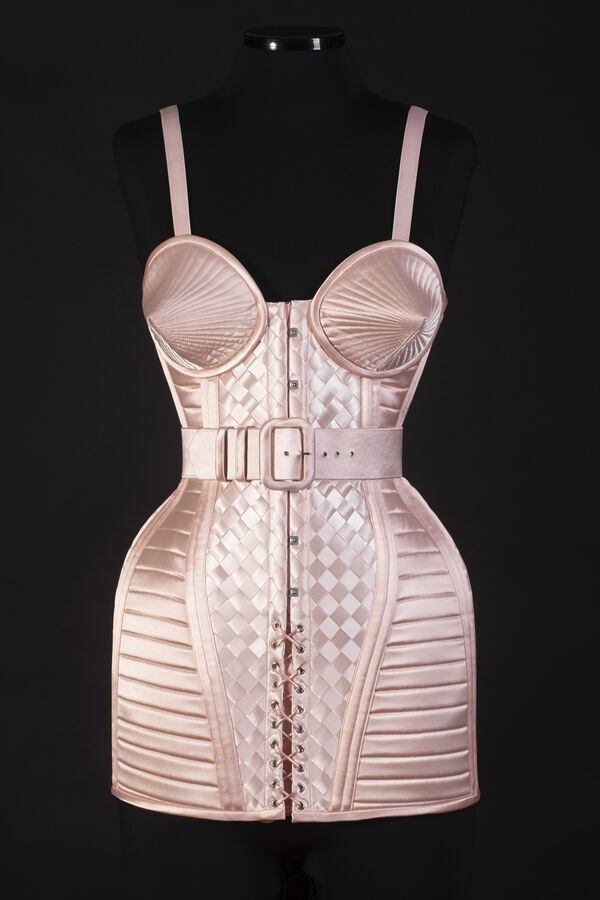
Corset Dress Madonna
-
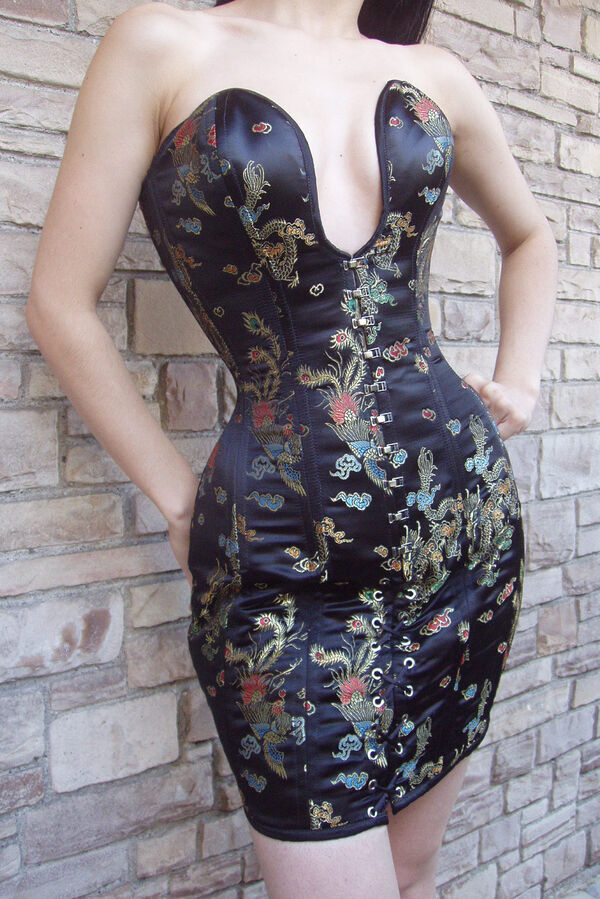
Corset Dress Bunny
-

Noiva Brigitte Bardot
-

Corset Fraque com Mangas
-

Vestido Noiva com Harness
-

Corset Canoa com Busk
-

Corset Sophia Loren
-

Corset Luísa com Bojo Retangular
-

Pannier
-

Corset Theda Bara
-

Push Up Sintetique Renda
-

Corset Stays
-
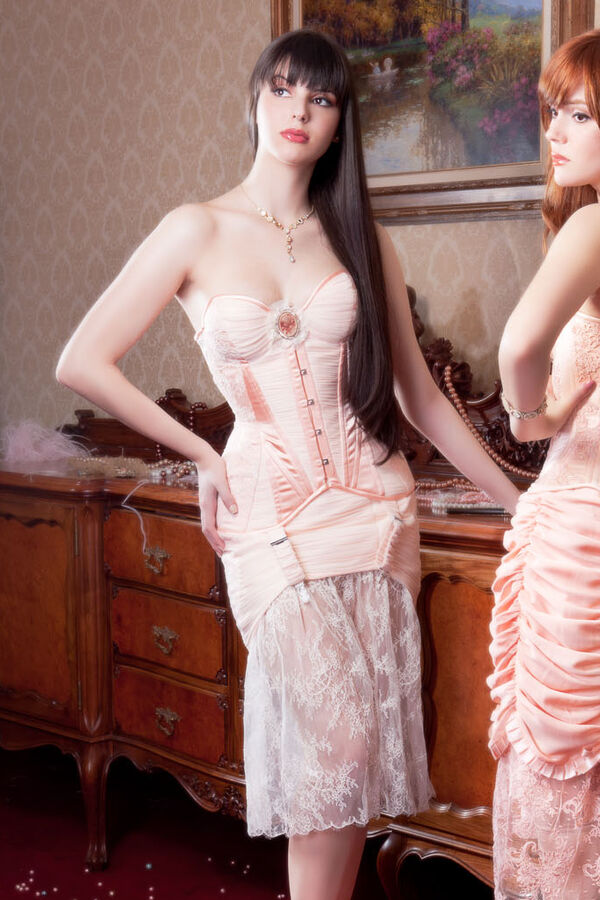
Conjunto Louise Brooks
-
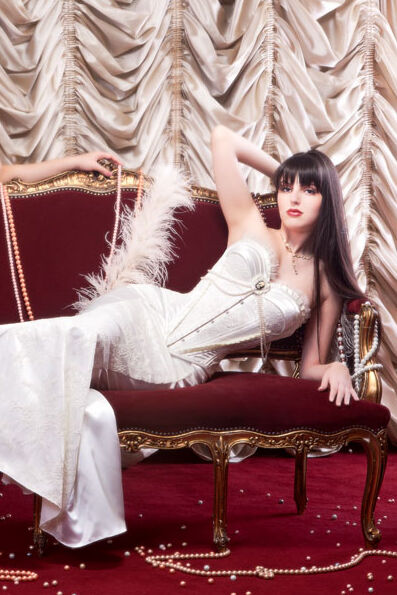
Conjunto Ursula Thiess
-
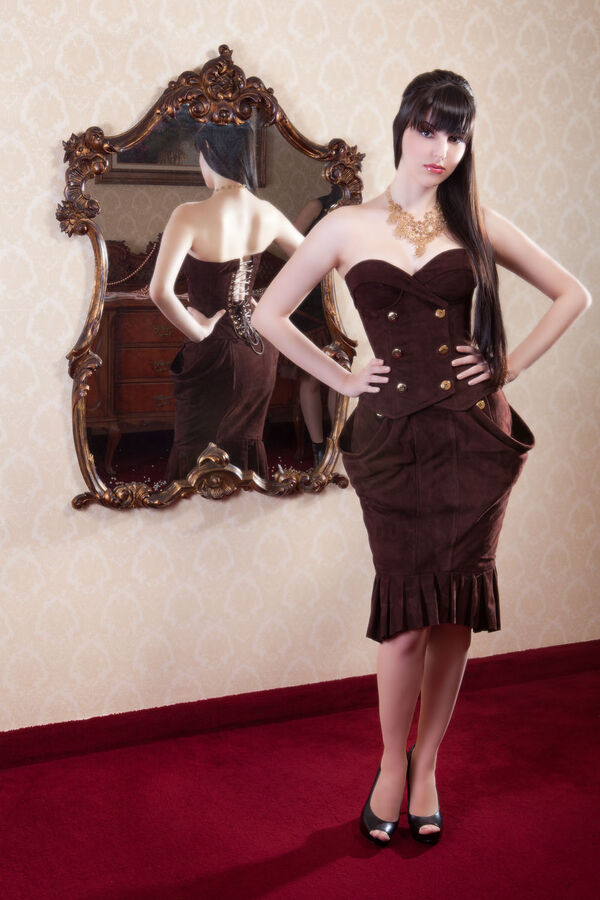
Conjunto Rita Hayworth
-
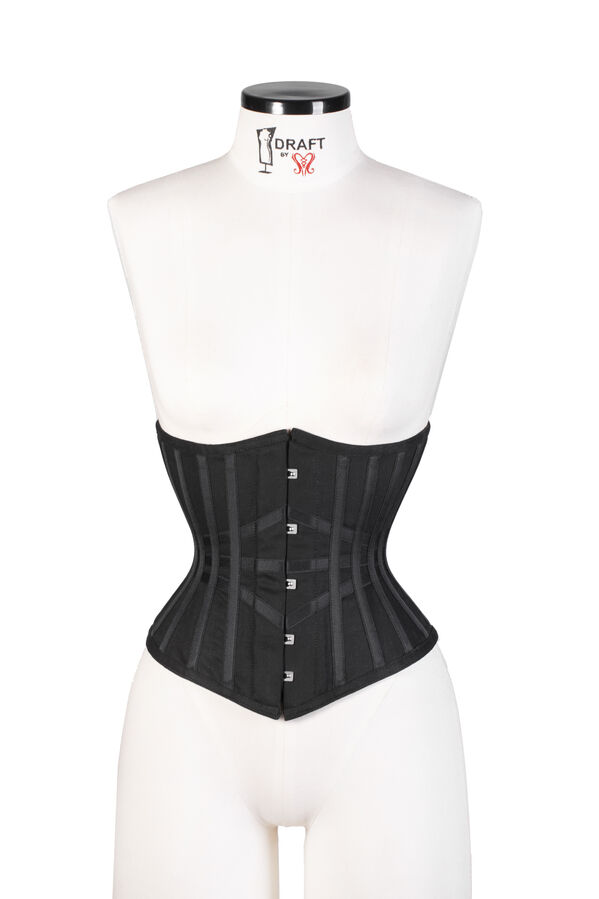
Light B-Waist
-
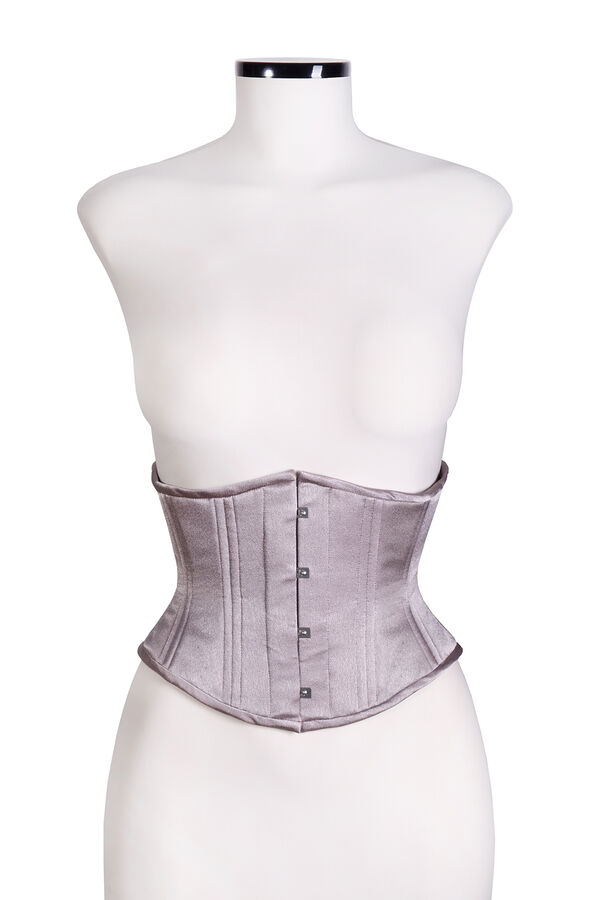
Waist Cincher
-
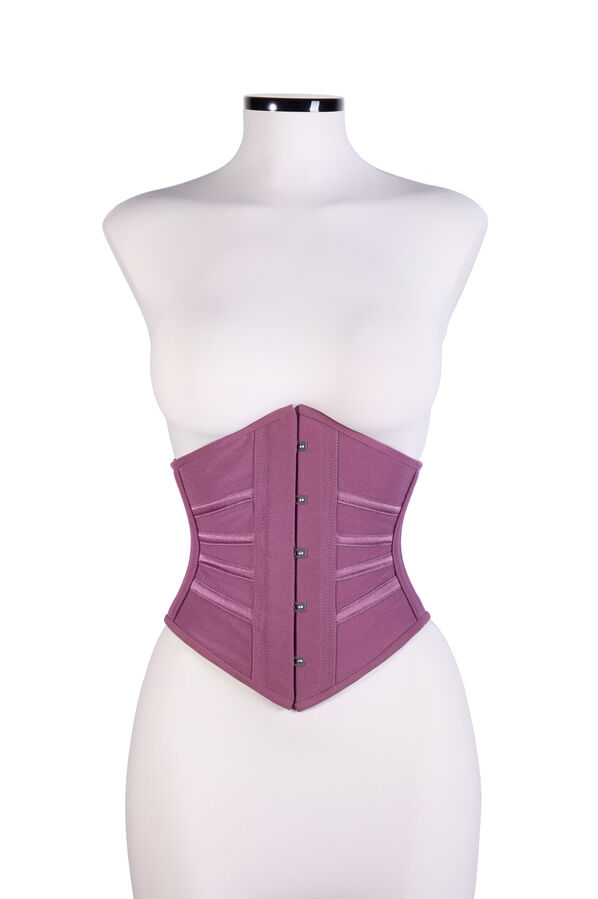
Ribbon em crepe com detalhe acetinado
-
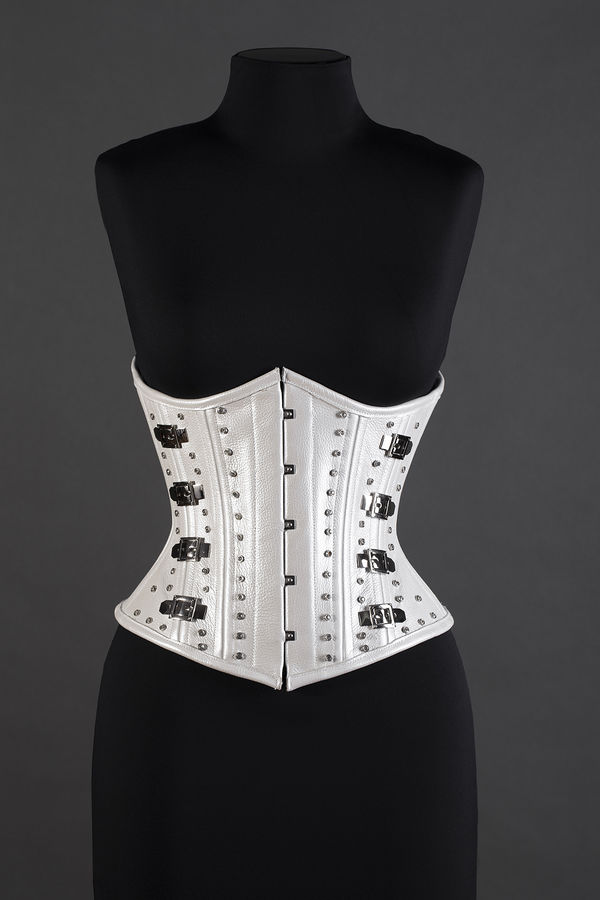
Underbust Giselle Sky
-
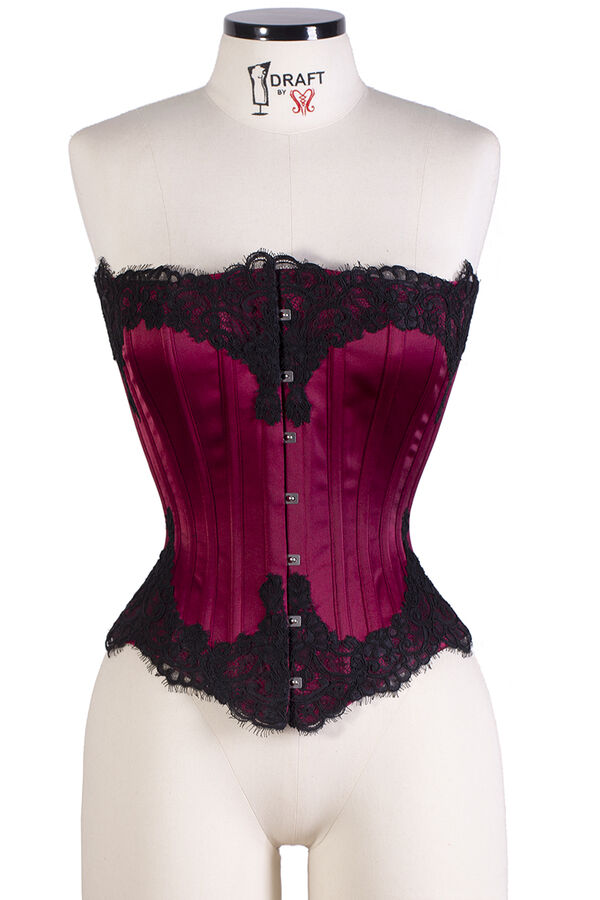
Corset Vitoriano Hourglass com Renda
-

Overbust Canoa com Gussets
Media-Kit
Se você é jornalista ou blogueiro, faça o download de nosso media-kit com release e fotos para divulgação. Desde já, agradecemos seu interesse na marca.
Formas de Pagamento
Compre seu corset Madame Sher com praticidade e segurança em até 6 vezes sem juros no cartão Visa, Master ou DinersClub. Também trabalhamos com PagSeguro.


